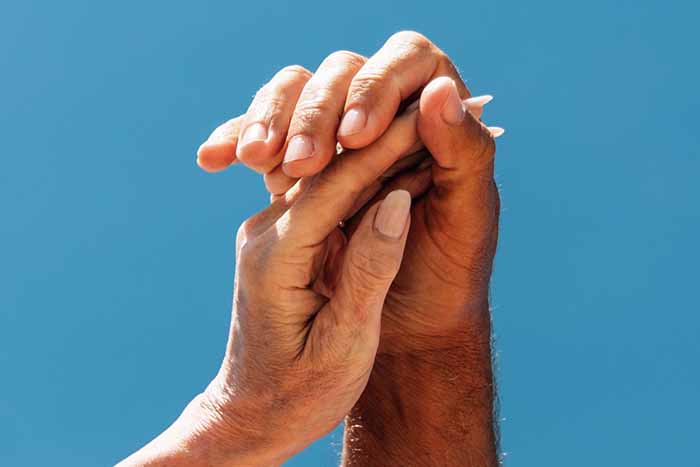
I remember the first time I noticed my grandmother’s nails. They were thick, ridged, and slightly yellowed—so different from the smooth, pink nails I saw on younger hands. At the time, I assumed it was just something that happened with age. Now I know that while nail changes are a normal part of aging, they are not inevitable. Understanding why nails change as we age and how to care for them can make a significant difference.
Here is everything I have learned about aging nails: why they change, what to expect, and how to keep them healthy and strong.
Why Do Nails Change with Age?
Nails are made of keratin, a protein that is also found in hair and skin. As we age, several factors contribute to changes in nail structure and appearance.
Slower growth. Nail growth slows with age. Fingernails grow at an average rate of about 3 millimeters per month in younger adults, but this rate can slow significantly after age 50. Slower growth means nails take longer to recover from damage and can become more prone to issues.
Decreased moisture. The natural oils that keep nails flexible and hydrated diminish with age. This can lead to dry, brittle nails that are more prone to cracking and splitting.
Reduced blood flow. Circulation to the extremities can decrease with age, affecting the supply of oxygen and nutrients to the nail matrix. This can slow growth and affect nail quality.
Cumulative damage. Over a lifetime, nails are exposed to countless traumas—bumping, filing, chemicals, and environmental factors. These cumulative effects can lead to ridges, thinning, and discoloration.
Hormonal changes. Hormonal shifts, particularly in women during and after menopause, can affect nail health, leading to increased brittleness and slower growth.
Common Nail Changes with Age
While everyone’s nails age differently, there are several common changes.
Vertical ridges. These are the most common age-related nail change. As we age, the nail matrix produces cells more slowly, and the nail plate becomes thinner. This can result in fine, vertical ridges running from the cuticle to the free edge. These ridges are harmless and do not require treatment.
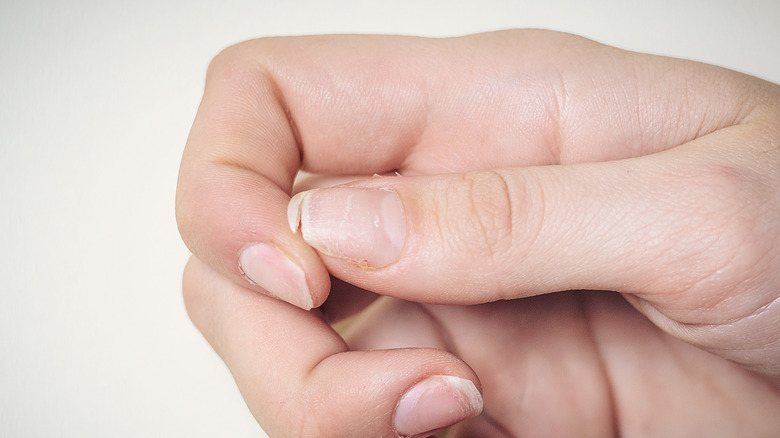
Brittleness and splitting. Dry, brittle nails that split or peel easily are a common complaint. Decreased moisture and reduced natural oils make the nail plate more prone to breakage.
Thickening. Toenails, in particular, can become thicker with age. This is often due to reduced blood flow and slower cell turnover. Thickened nails can be more difficult to trim and may become uncomfortable if they press against shoes.
Discoloration. Nails may become yellowed or develop a dull, greyish tint. This can be due to staining from polish, smoking, or fungal infections, which are more common in older adults. In some cases, discoloration can indicate an underlying health condition.
Changes in shape. Nails may become more curved or develop a “spoon” shape (koilonychia), where the nail curves upward at the edges. This can be a sign of iron deficiency anaemia.
What Can Nails Tell You About Your Health?
Your nails can be a window into your overall health. Here are some signs to watch for.
Pale or white nails. Pale nail beds can indicate anaemia, poor circulation, or kidney disease. If your nails are consistently pale, consult a healthcare professional.
Yellow nails. Yellowing can be caused by smoking, fungal infection, or thyroid disease. If the yellowing is persistent or accompanied by thickening, consult a doctor.
Blue nails. Blue or purple nail beds can indicate poor circulation or a lung condition. This is a sign to seek medical attention.
Thickened nails. Thickening, especially of the toenails, can be caused by fungal infection or poor circulation. If your nails are thickened and difficult to trim, consult a healthcare professional.
Horizontal ridges (Beau’s lines). Deep horizontal grooves can indicate a serious illness, high fever, or severe stress. These lines appear a few weeks after the event and grow out as the nail grows.
Spoon-shaped nails (koilonychia). This can indicate iron deficiency anaemia. If your nails curve upward at the edges, talk to your doctor.
How to Strengthen Aging Nails
Moisturise daily. Apply cuticle oil or a rich hand cream at least twice a day. Jojoba oil is ideal because it closely mimics the skin’s natural oils and penetrates the nail plate. Massage a drop into each nail and cuticle morning and night.
Protect from water. Wear rubber gloves for dishwashing, cleaning, and any task that exposes your nails to water or chemicals. Dry your hands thoroughly after washing.
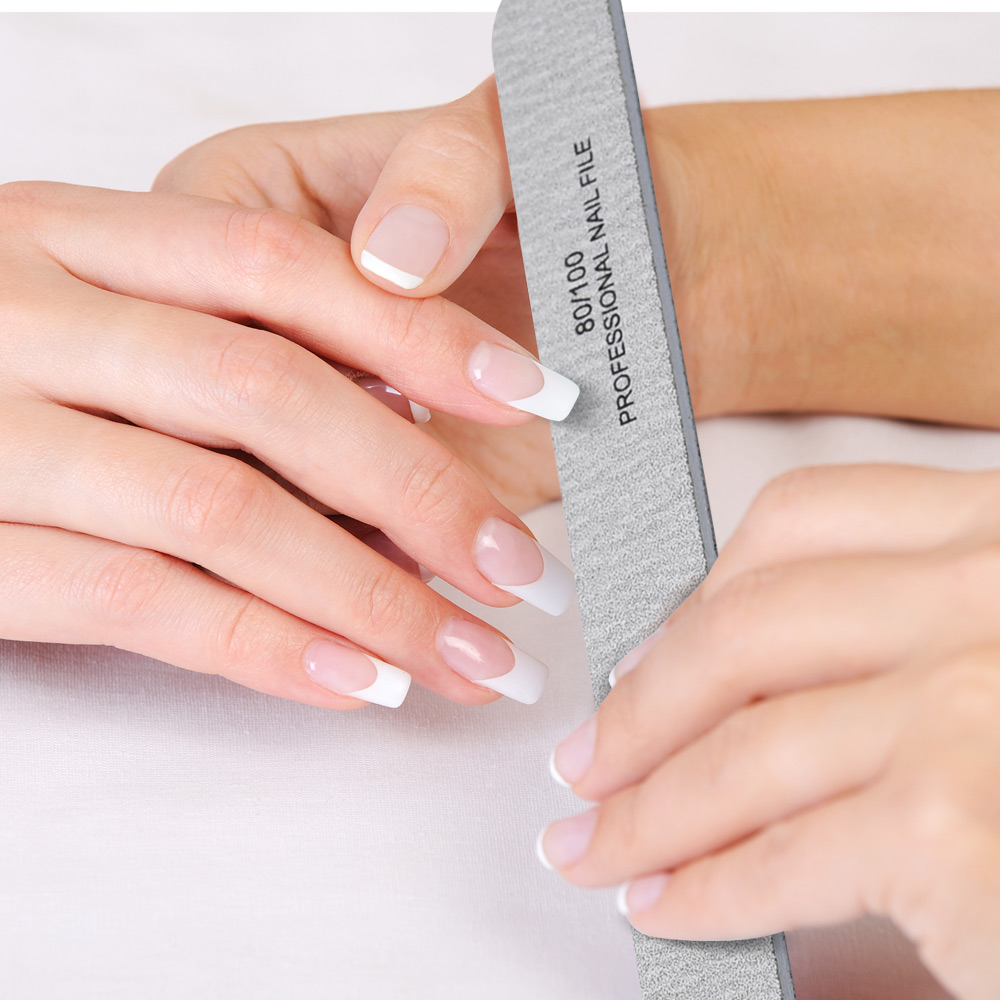
File correctly. Always file in one direction—never saw back and forth. Use a fine-grit nail file on natural nails. File dry nails only; wet nails are soft and tear.
Take breaks from polish. Constant coverage can dry out the nail plate. Give your nails a few days of bare, oiled rest every month.
Eat a balanced diet. Nails are made of keratin—a protein. Include lean meats, eggs, fish, beans, and legumes in your diet. Biotin, iron, and zinc are also essential for nail health.
Be gentle. Do not use your nails as tools. Opening cans, peeling stickers, or scraping with your nails puts lateral pressure on the nail plate and can cause breakage.
Stay hydrated. Drink plenty of water. Dehydration affects every cell in your body, including your nail matrix.
Consider supplements. If your diet is lacking, a daily multivitamin or a biotin supplement (2.5-5 mg) may help. Consult a healthcare provider before starting any supplement.
The Bottom Line
Nail changes are a normal part of aging, but they do not have to be a source of frustration. With consistent care—moisturising daily, protecting nails from water, filing correctly, and eating a balanced diet—you can maintain strong, healthy nails well into your later years. If you notice sudden or dramatic changes in your nails, consult a healthcare professional. Your nails can tell you a lot about your health—listen to them.
Read also: The Art of Water Marble Nails: A Complete Guide to Mesmerizing Swirls
One thought on “Understanding Aging Nails: Changes, Causes, and How to Keep Them Strong”