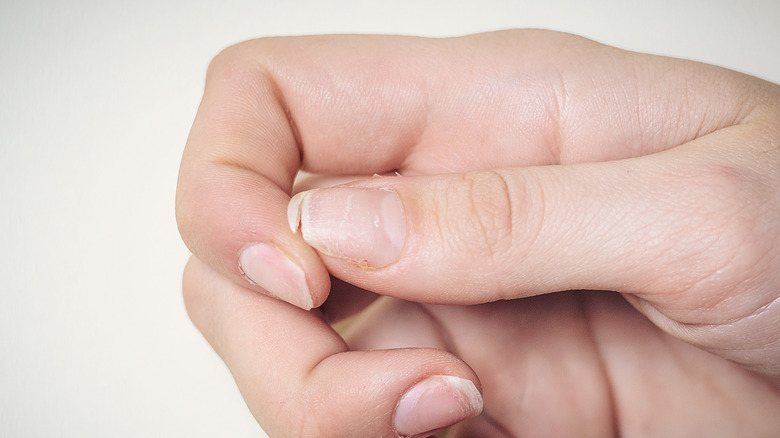
Few things are more frustrating than growing your nails out, only to have one snap at the worst possible moment. Fragile nails that peel, bend, split, or break easily are a common problem, but they are not simply a matter of bad luck. Nails break for specific reasons. Once you understand those reasons, you can change your habits, adjust your nail care routine, and protect your nails from repeated damage.
Why Do Nails Break?
Nails are made of keratin, a protein that is also found in hair and skin. A healthy nail plate is made of layers of flattened cells held together by natural oils, moisture, and protein bonds. When those bonds are strong, the nail is flexible and resilient. It can bend slightly under pressure without cracking. When the nail loses moisture or the layers separate, it becomes brittle and weak. Instead of flexing, it snaps.
A break usually happens at a weak point. That weak point may come from repeated water exposure, harsh chemicals, physical trauma, or improper filing. The nail may look fine on the surface, but underneath, the layers have begun to peel apart. Eventually, a small impact is enough to cause a full break.
Common Causes of Nail Breakage
The most common cause is water. Nails absorb water and swell, then shrink as they dry. This repeated cycle breaks down the bonds between nail layers. Dishwashing, long showers, frequent hand washing, and swimming all contribute. The more often your nails get wet and dry, the weaker they become.
Harsh chemicals are another major cause. Acetone-based polish removers, cleaning products, and hand sanitisers strip natural oils from the nail plate. Without those oils, the nail becomes dry and brittle. Using acetone frequently or soaking nails in it can make the problem much worse.
Physical trauma is also a leading factor. Using your nails as tools—opening cans, peeling stickers, scraping labels—puts lateral pressure on the nail plate. This creates micro-fractures that eventually turn into full breaks. Biting your nails, picking at polish, and peeling off gel or acrylic also cause serious damage.
Improper filing is a hidden cause. Sawing a nail file back and forth creates tiny tears in the nail layers. These tears travel up the nail as it grows, leading to peeling and splitting. Filing wet nails is also damaging, because wet nails are soft and tear rather than cut cleanly.
Nutritional gaps can weaken nails from the inside. Nails need protein, iron, zinc, and biotin to form strong keratin. A diet low in these nutrients can produce thin, brittle nails that break easily.
Aging naturally affects nail strength. As we get older, nail growth slows, oil production decreases, and the nail plate becomes thinner. Hormonal changes, especially in women, can also affect nail quality.
Underlying health conditions may play a role. Thyroid disorders, anaemia, and psoriasis can all cause brittle nails. If your nails are consistently weak despite good care, it is worth mentioning to a doctor.
Practical Solutions for Fragile Nails
The first step is to stop the damage. Protect your nails from water by wearing rubber gloves for dishwashing, cleaning, and gardening. Keep a pair near the sink and use them every time. Dry your hands thoroughly after washing, especially around the nails.
Moisturise constantly. Apply cuticle oil at least twice a day. Jojoba oil is excellent because it closely mimics the skin’s natural oils and penetrates the nail plate. Massage a drop into each nail and cuticle, then follow with a rich hand cream. This restores flexibility and helps prevent splitting.
Choose the right products. Use a non-acetone remover for regular polish. If you use gel, limit acetone soaks to removal only. Look for nail strengtheners containing keratin, calcium, or protein. Avoid strengtheners with formaldehyde, which can make nails more brittle over time.
Support your nails from within. Eat enough protein. Include eggs, fish, lean meat, beans, and lentils in your diet. Add foods rich in biotin, iron, and zinc, such as nuts, seeds, leafy greens, and fortified cereals. Drink plenty of water. If you suspect a deficiency, consult a healthcare provider before starting supplements.
Keep nails at a manageable length. Long nails are more likely to catch and break. If your nails are fragile, keep them shorter while they recover. Let them grow gradually as they get stronger.
Manicure Tips to Prevent Breakage
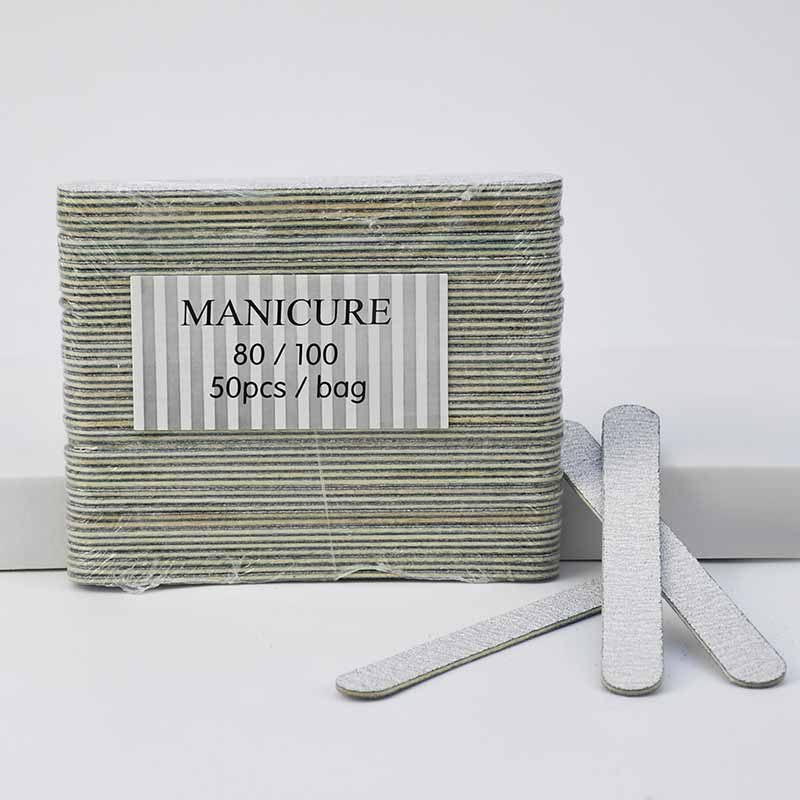
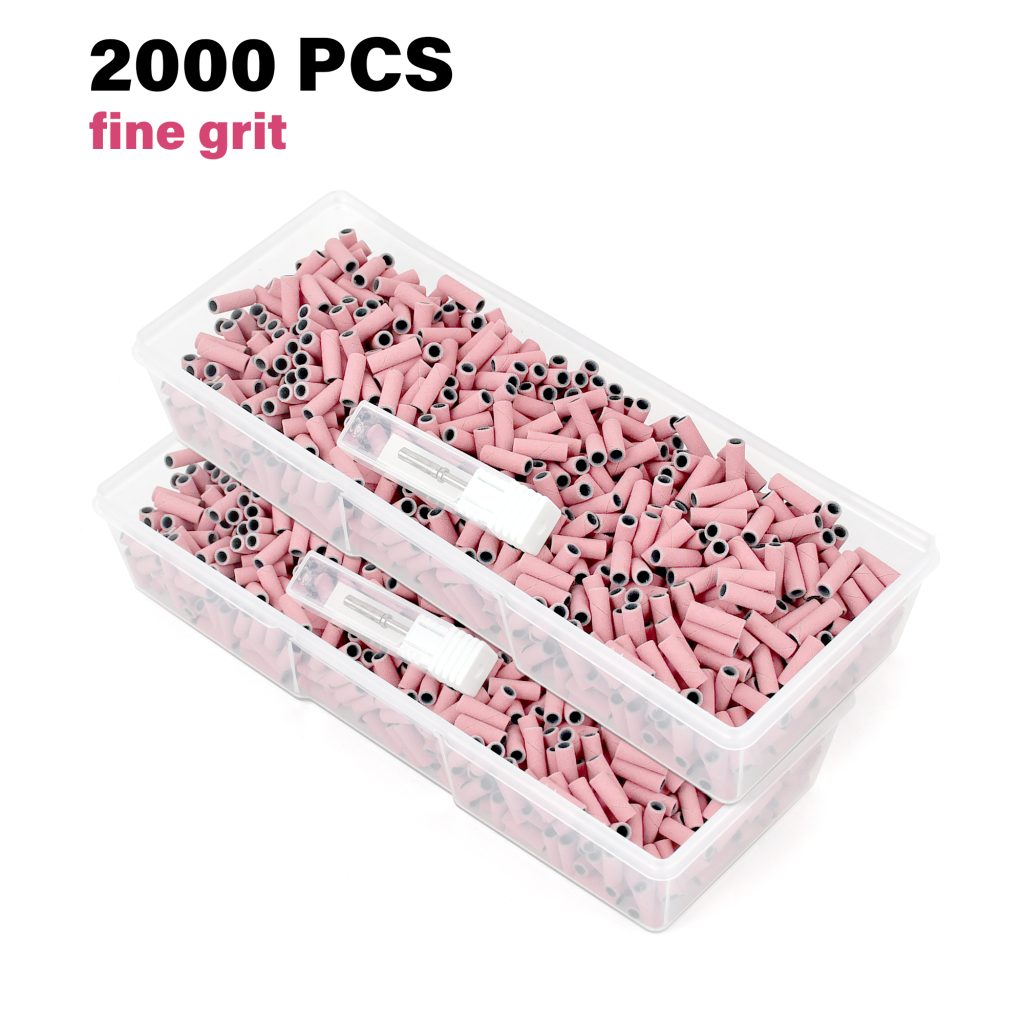
Proper manicure technique makes a huge difference. Always file dry nails, and file in one direction only. Use a fine-grit sanding band, around 180 to 240. Never saw back and forth. Choose a shape that suits your lifestyle; squoval and round are the most durable.
Do not over-buff. Buffing removes shine and smooths ridges, but too much buffing thins the nail plate. Two or three light passes are enough.
Always use a base coat. It protects the nail from staining and improves adhesion. Apply polish in thin layers. Thick layers take longer to dry and peel more easily. Cap the free edge with base coat, colour, and top coat. This seals the tip and prevents water from seeping underneath.
If you use gel or acrylic, keep product off the skin. Clean up any mistakes before curing or drying. Cure gel fully with a compatible lamp. Do not pick or peel enhancements. If a nail lifts, file the edge smooth and have it repaired properly.
Take breaks between enhancements. Give your natural nails a few days of bare, oiled rest every month. This allows them to rehydrate and helps you spot any changes in nail health.
Easy Daily Nail Care Habits
You do not need a complicated routine. A few small habits make a big difference.
Keep cuticle oil in your bag and at your desk. Apply it after every hand wash. Keep a rich hand cream by the sink and use it often.
Use tools, not your nails. Keep a small opener, a pair of scissors, and a staple remover within reach. Your nails are not multitools.
Wear gloves for chores. This single habit protects your nails from water, detergents, and cleaning chemicals.
Avoid hot water when possible. Hot water strips oils faster than warm water. Use warm or cool water for hand washing.
Inspect your nails weekly. Look for cracks, peeling, and discoloration. If you see a small split, file it smooth immediately before it spreads.
Be patient. Nails take four to six months to fully replace themselves. Consistent care will restore strength over time.
Final Thoughts
Fragile nails are frustrating, but they are rarely permanent. Most breakage comes from water, chemicals, trauma, and poor filing. By protecting your nails, moisturising daily, eating well, and using proper manicure techniques, you can strengthen them over time. Small habits, repeated consistently, make the biggest difference. Treat your nails gently, and they will become more resilient.
Read also: Understanding Aging Nails: Changes, Causes, and How to Keep Them Strong